Published November 16, 2026
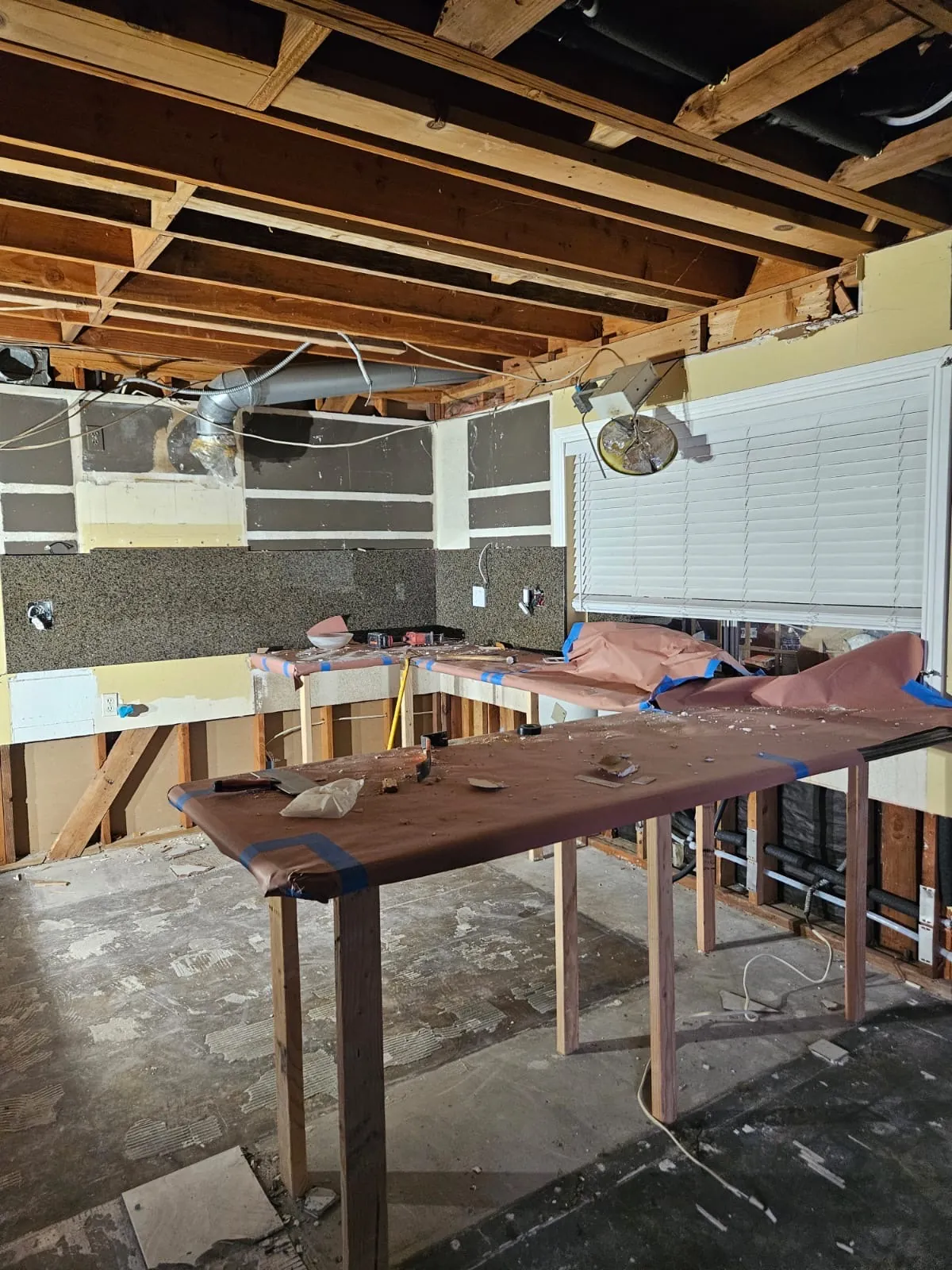
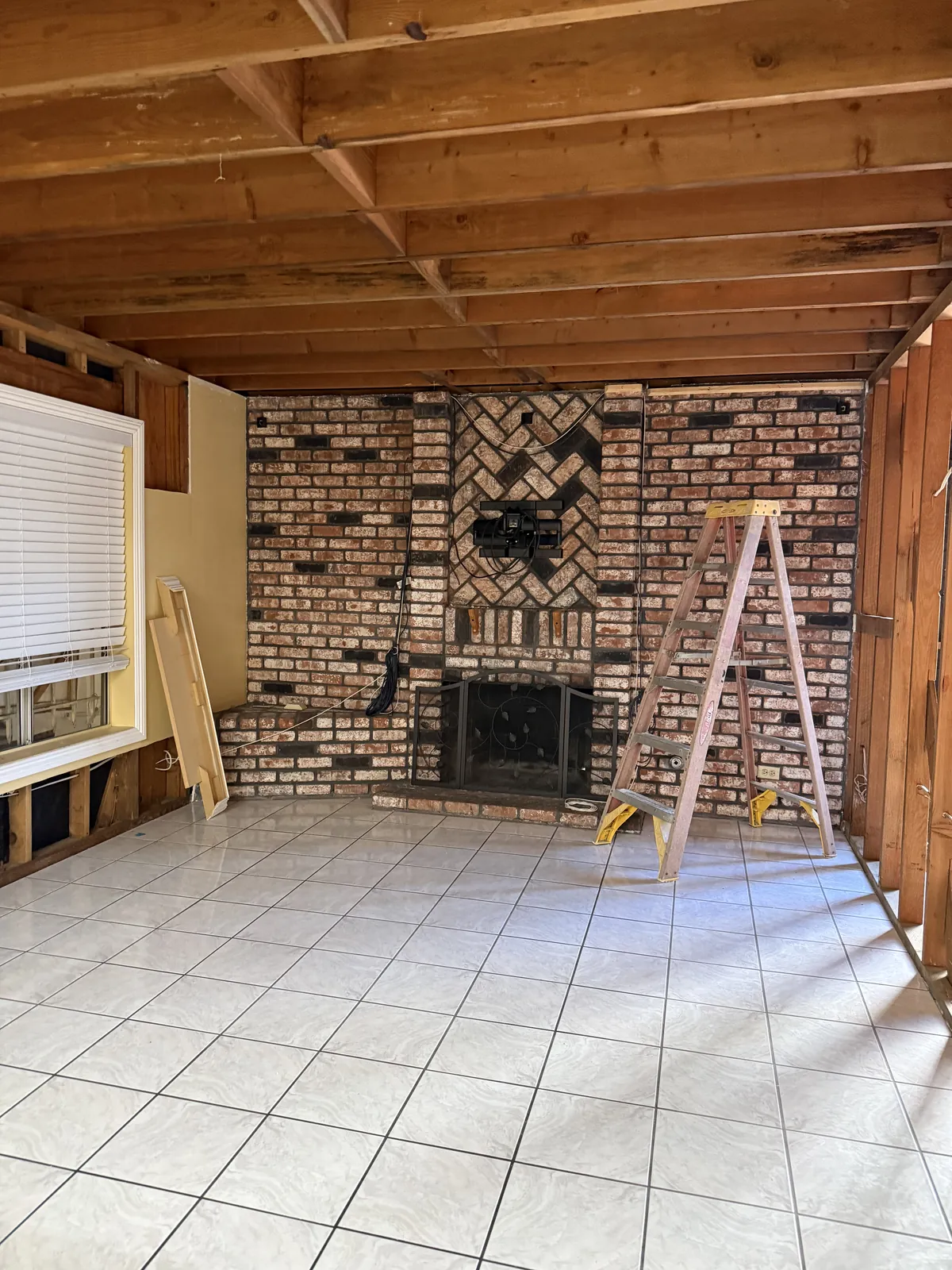
A toilet overflowed on the second floor of a Port Hueneme home, and the water worked its way through the upstairs and down into the rooms below. The damage was extensive enough that repairs were needed throughout the house. Golden Coast Claims represented the homeowner on the insurance claim.
When Water Comes Through the Ceiling
An upstairs overflow can affect the ceiling and rooms below. Water can soak the flooring, run along the subfloor and joists, and come down through the ceiling and walls of the floor below. What looks like a bathroom problem can turn into damage across two levels of the home.
That was the situation here. The water affected rooms on both floors, and the repairs reached across the whole house rather than a single room.
What We Handled on This Claim
We documented the damage on both floors, prepared an estimate of the repairs, communicated with the insurance company for the homeowner and negotiated toward a settlement that would cover the work needed to restore the home.
The project timeline reported for this claim was about six weeks. Every claim moves at its own pace, depending on the extent of the damage, the policy and the insurer.
Why Two-Story Water Losses Get Underestimated
Damage on the lower floor is easy to see once the ceiling stains or drops. Damage hidden between the floors, inside wall cavities, under flooring and around framing, is harder to see and easier to leave out of an estimate. An estimate that covers only the visible areas can fall well short of what the repairs actually require.
A room-by-room estimate that follows the path of the water, from where it started to everywhere it reached, gives a clearer basis for comparing what the insurer has offered against the work the home really needs.
How an insurance estimate compares with a contractor estimate
Practical Steps After an Upstairs Overflow
- Turn off the water supply valve behind the toilet, or the main shutoff, only if it is safe to reach.
- Keep people out of rooms where the ceiling is sagging or wet.
- Where it is safe to enter, photograph both floors, including ceilings, walls and flooring, before anything is removed.
- Get drying started promptly and keep the records from the mitigation company.
- Report the loss to your insurer and keep notes of every conversation.
How a particular loss is covered depends on your policy and the facts of what happened.
Photos from this claim