Published October 26, 2026
A toilet overflow at a Santa Monica residence caused extensive water damage throughout the affected areas. The homeowner needed to understand how far the damage reached, document the loss, and work through the insurance claim. Golden Coast Claims represented the homeowner as their public adjuster.
What happened
The loss began with an overflowing toilet. Water from an overflow does not always stay where it starts. It can move across floors and into nearby rooms, and it can reach materials that are hard to see from the surface.
In general, water from this kind of event may affect flooring, drywall, baseboards, cabinetry, and the materials underneath them. Each of those possibilities has to be checked and recorded rather than assumed.
The homeowner’s documentation challenge
When water spreads through a home, the first question is often simple: how much was really damaged? A room can look dry and finished while the materials below or behind it tell a different story. Without an organized record, important parts of a loss can be left out of a claim.
The homeowner also had to manage the insurance process itself: reporting the loss, responding to the insurer, and understanding what the policy might cover. Doing that while living with the disruption of water damage is difficult.
How Golden Coast Claims helped
As a public adjuster, our role was to represent the homeowner, not the insurance company. On this claim we:
- Documented the water damage in the affected areas.
- Prepared a detailed repair estimate to describe the scope of the loss.
- Reviewed the applicable coverage under the homeowner’s policy.
- Communicated with the insurance company on the homeowner’s behalf.
- Advocated for the homeowner and negotiated a settlement of the claim.
The work centered on presenting the documented damage and repair scope to the insurer on the homeowner’s behalf.
Public adjuster or remediation contractor?
These are two different roles, and many water losses need both. A qualified water mitigation or remediation contractor handles the physical work: extracting water, drying, and limiting further damage to the home. A public adjuster handles the insurance claim: documenting the loss, preparing the estimate, reviewing coverage, and communicating and negotiating with the insurer for the policyholder.
Golden Coast Claims is a public adjusting firm. We do not perform drying or repairs, and hiring a public adjuster is not a reason to delay mitigation.
Records that matter in a water damage claim
- Photos and video of affected areas, taken as soon as it is safe.
- A simple timeline: when the overflow was found, who was called, and what was done.
- Mitigation and drying records, invoices, and receipts.
- Receipts for emergency or out-of-pocket expenses.
- All correspondence with the insurance company, including claim numbers and adjuster notes you receive.
- Your policy, including declarations and any endorsements.
Practical steps after a toilet overflow
- Stop the water if you can do so safely, and keep people away from electrical hazards.
- Avoid contact with contaminated water. Overflow water may be unsanitary; let qualified professionals handle cleanup.
- Document the damage promptly, before items are moved or discarded when that is safe.
- Arrange qualified mitigation to limit further damage instead of waiting for permanent repairs.
- Review your policy and the insurer’s procedures before starting permanent repairs, and keep copies of everything.
Coverage depends on your policy language and the facts of your loss. This page is general information, not legal advice.
About the timeline
This project was reported to take about three to six months. That range applies only to this claim. Claim timelines vary with the size of the loss, the policy, the insurer, and how quickly records become available, so it is not a promise for any other claim.
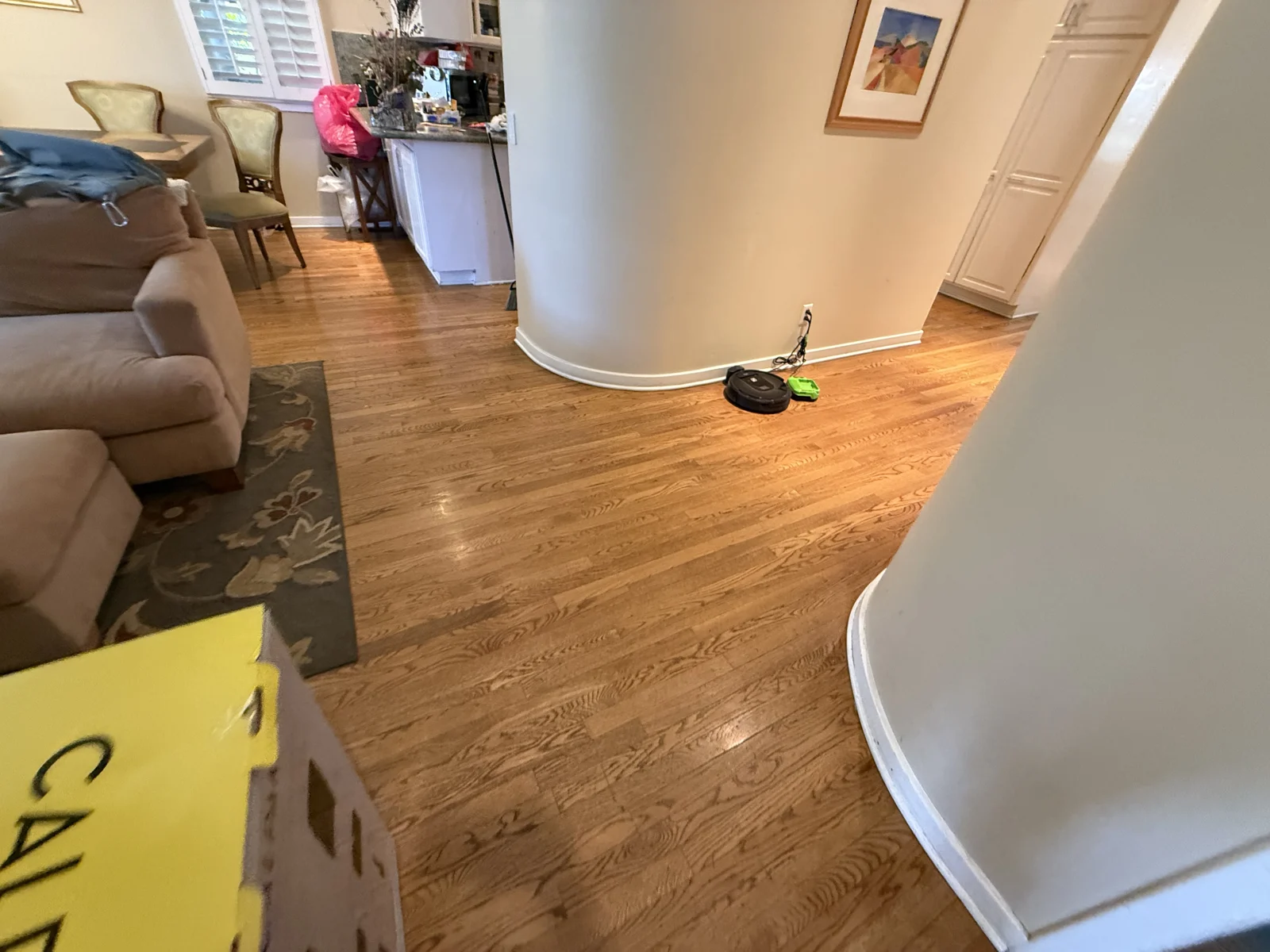
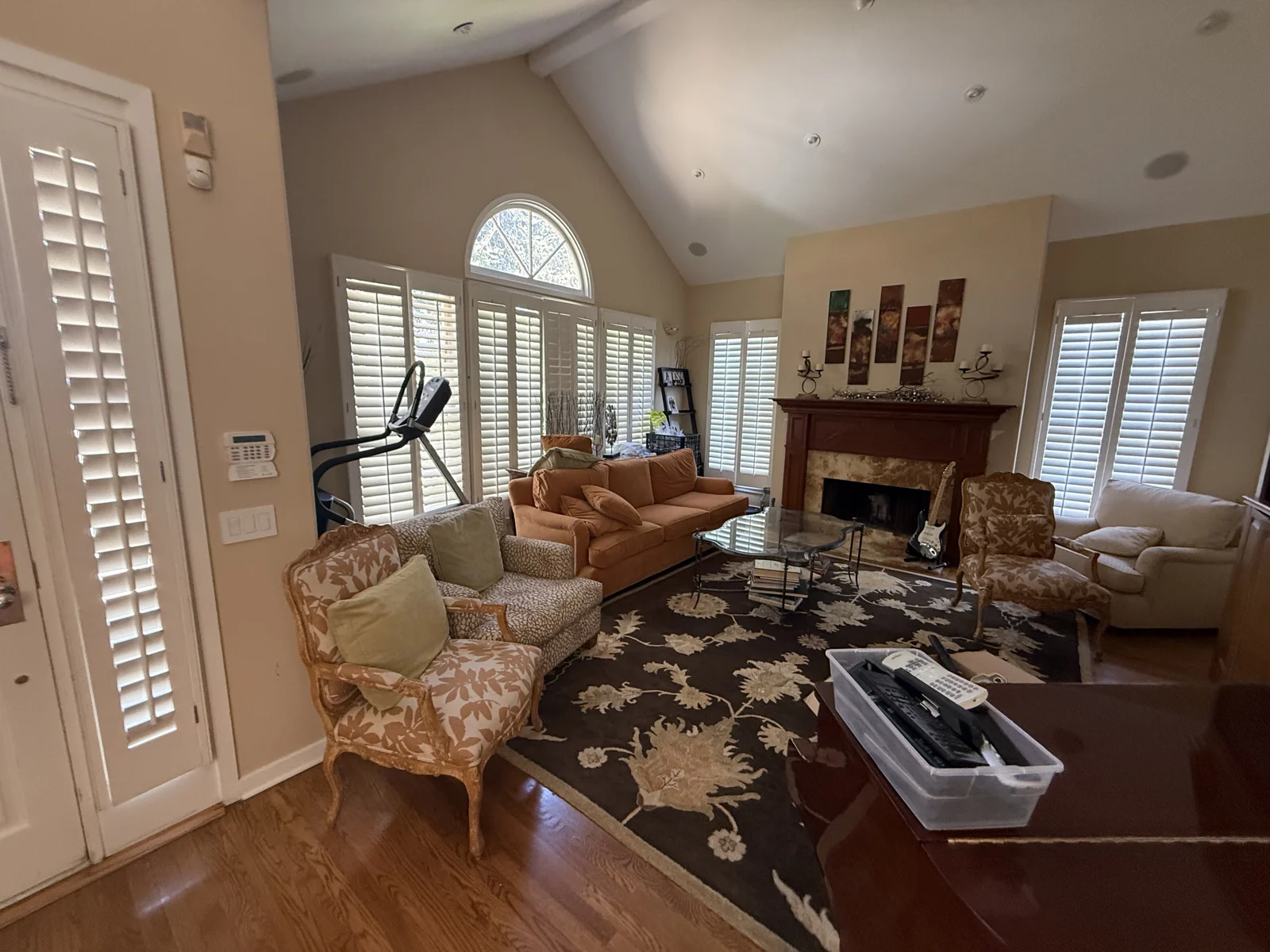
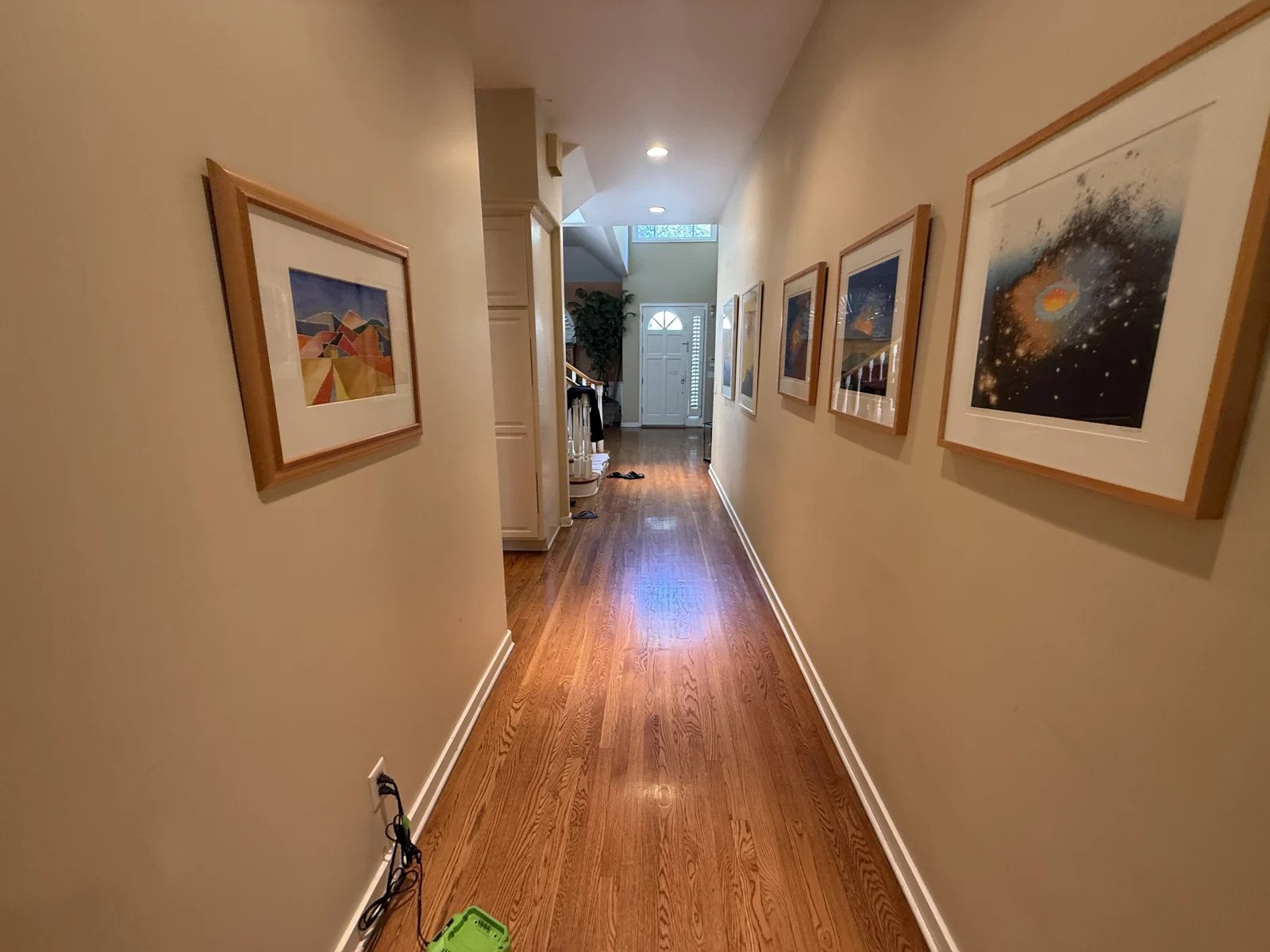
Photos from this claim