Published November 17, 2026
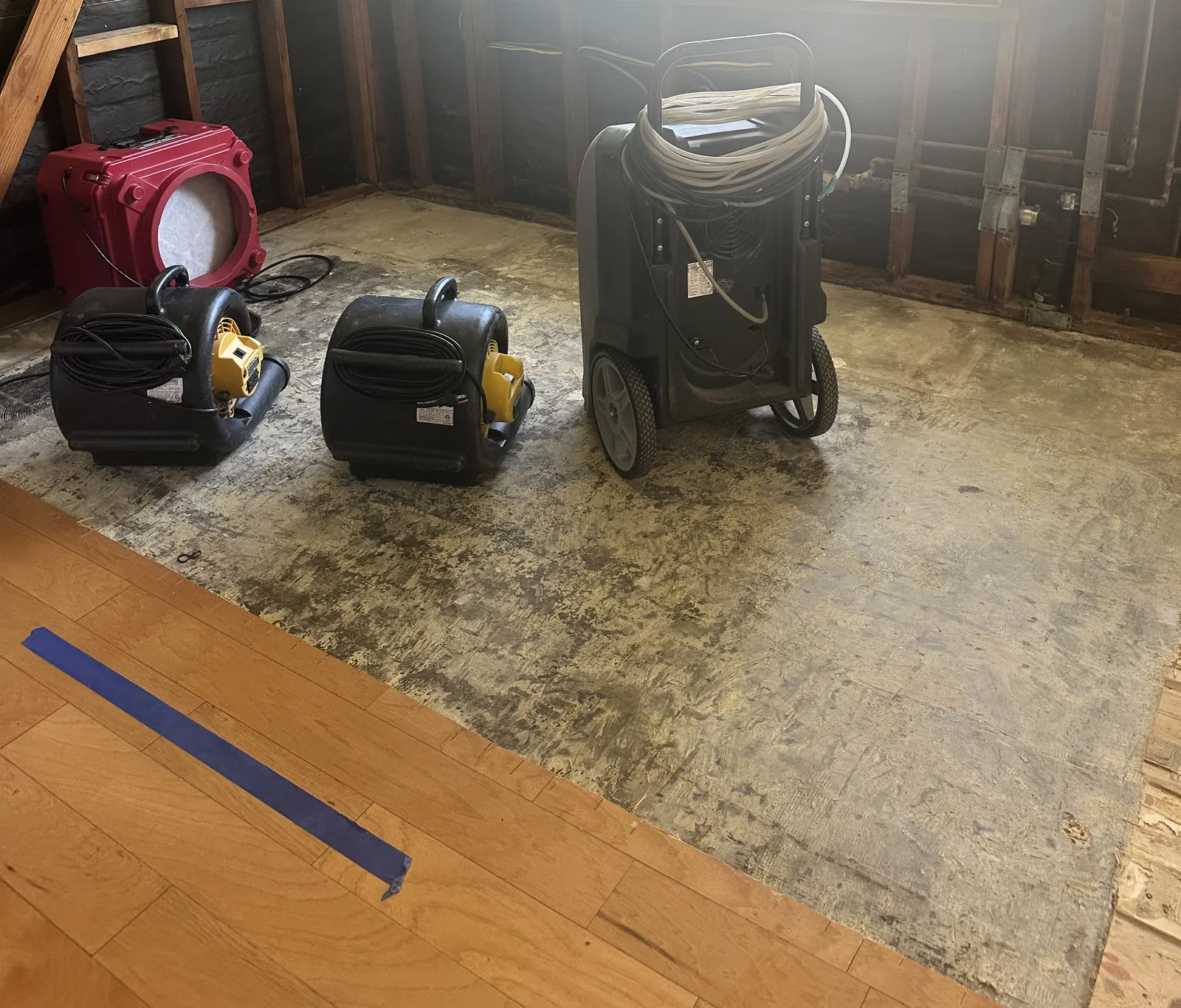
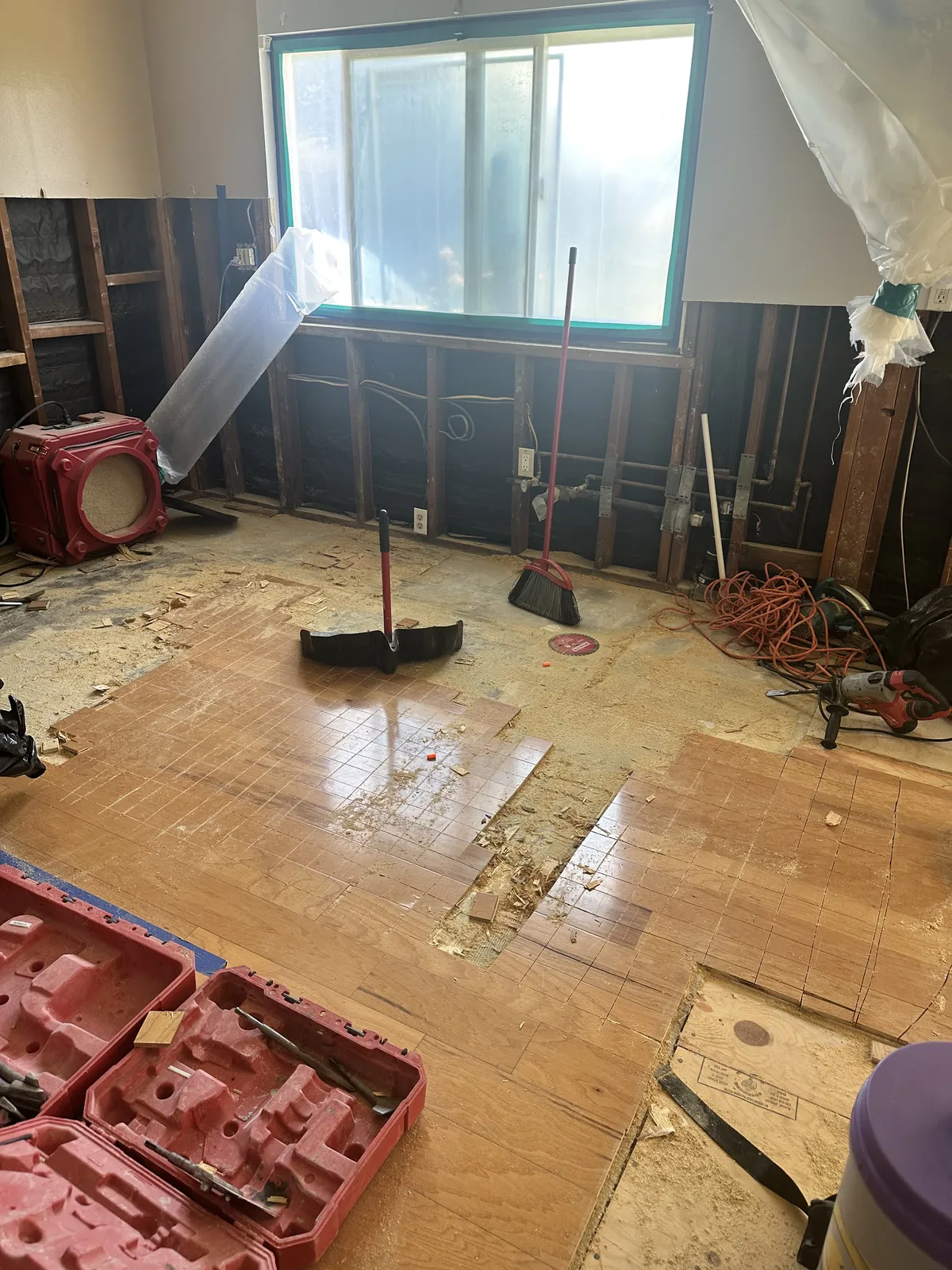
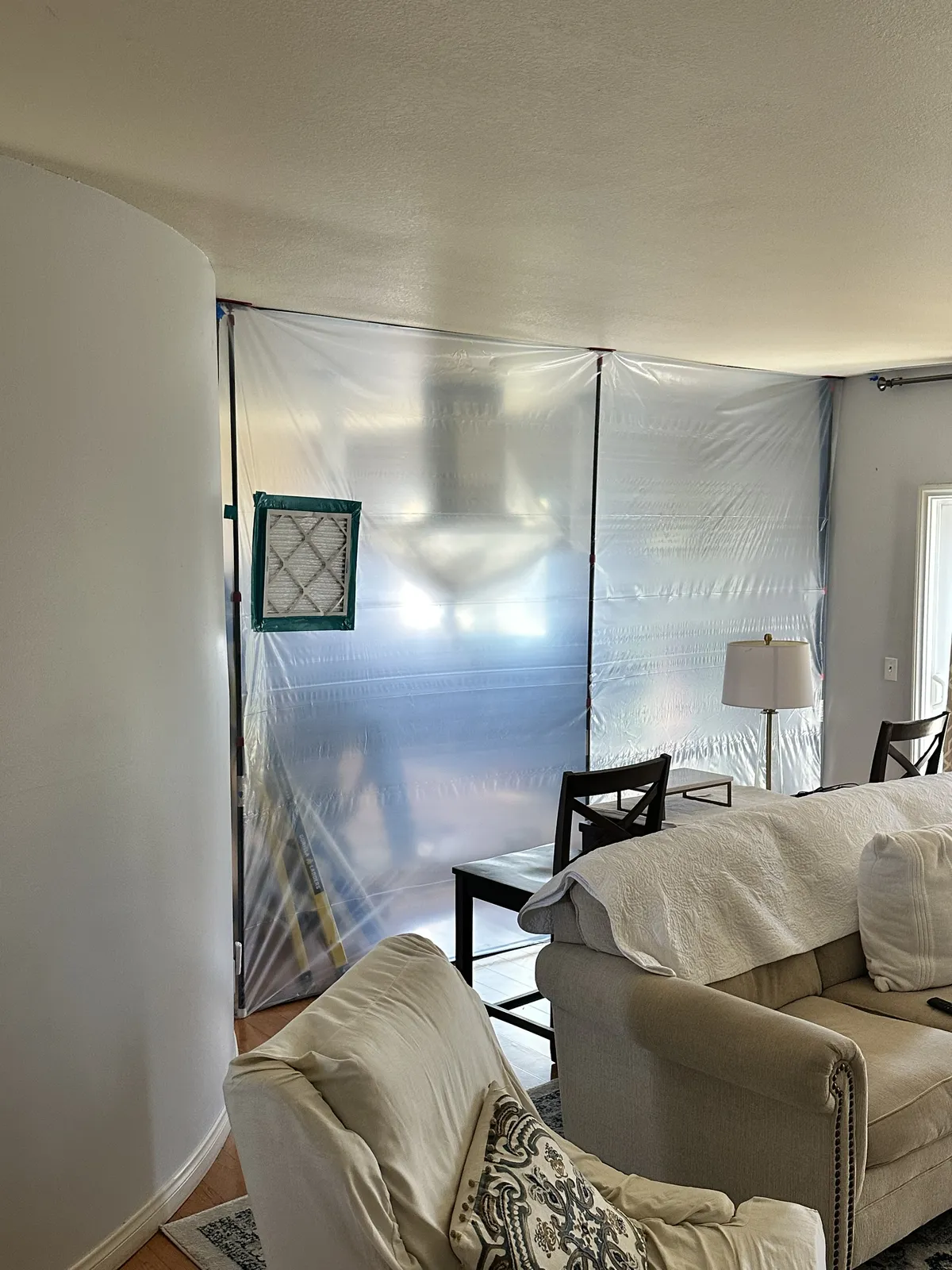
Homeowners in Newbury Park found water suddenly pooling on the hardwood floor in front of their dishwasher. When we visited, our moisture readings showed elevated moisture in the floor. The damage reached the entire kitchen, including the hardwood, cabinets and countertops, along with the flooring around it on the first floor.
Finding the Leak and Limiting the Damage
Elevated readings meant the water had moved into the flooring rather than staying on the surface. We put the homeowners in touch with a leak detection company and a mitigation company. The leak detector found the leak and stopped it, and the mitigation company handled the mitigation work.
Water showing up in front of an appliance does not by itself tell you where it came from. Finding the actual source was the leak detector’s job, and that report matters to the claim.
Representing the Homeowners
Golden Coast Claims represents the homeowners on their insurance claim, handling the negotiation with the insurer on their behalf. Because the damage runs across hardwood, cabinetry, countertops and connected flooring, the claim has to account for how those pieces relate to one another, not just the spot where the water first appeared.
Why Moisture Readings Matter
Hardwood can look dry on top while the boards and the subfloor underneath are still wet. Moisture readings taken across the affected area help document where materials are wet, which helps explain why flooring beyond the visibly wet area may be part of the loss.
- Shut off the water only if it is safe to reach the valve.
- Where it is safe to do so, photograph the floor, cabinet bases and toe kicks before anything is removed.
- Ask for copies of moisture readings and the leak detection report.
- Keep the mitigation company’s paperwork with your claim records.
When Cabinets and Countertops Are Involved
Lower cabinets often sit directly on the floor, so water underneath can reach them. Removing damaged cabinets can also affect the countertops resting on them. An estimate that treats the floor, cabinets and countertops as separate, unrelated items may leave out work that depends on the others.
Photos from this claim